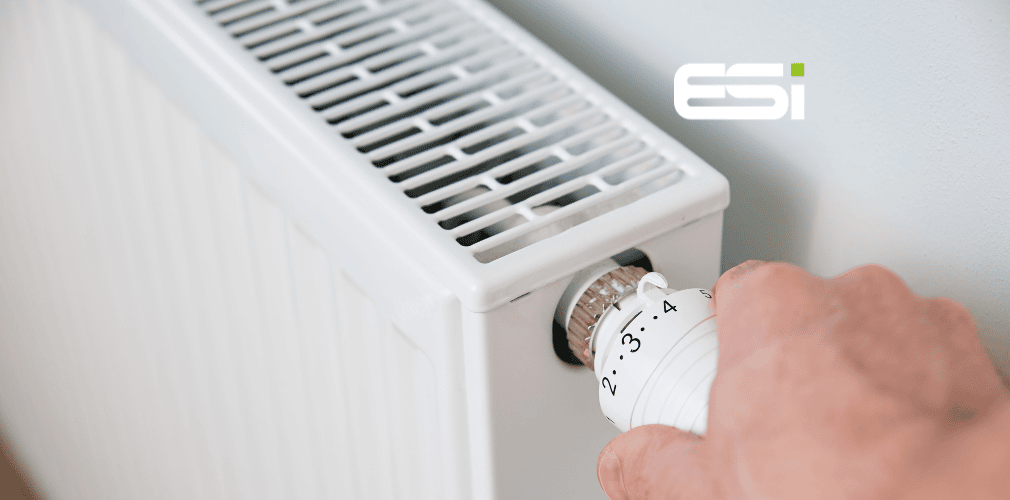
Homeowners often overlook the heating system until the first cold spell. However, understanding how to operate their zoned heating system is crucial for efficiency, comfort, and cost savings. Here are some tips for heating engineers and housebuilders to pass on to homeowners when they move into a newbuild with zoned
As a heating engineer, understanding zoning when installing heating systems in newbuilds is essential for compliance, system performance, and customer satisfaction. Regulatory requirements Part L mandates that for properties over 150m² zoning with at least two heating circuits is required Smaller homes require TRVs and a programmable thermostat to manage
Open protocols in heating controls and boilers don’t just benefit engineers – they bring clear advantages to homeowners, private landlords, and social landlords. Here’s how:Lower energy bills:Open protocols enable the boiler to modulate according to precise heating demand, running only as hard as needed. This reduces gas consumption compared to
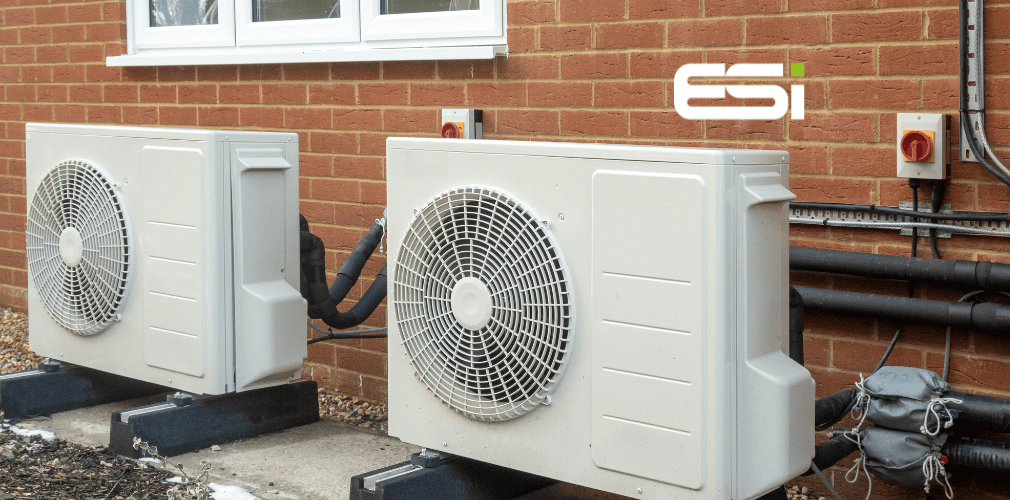
The Future Homes Standard will mandate the installation of heat pumps in newbuild properties due to their low-carbon, energy-efficient credentials. However, heating a home with a heat pump differs significantly from heating with gas boilers, and zoning and controls should reflect these differences. Gas boilers: Rapid heat-up time Zones heat
Under Building Regulations Part L (England and Wales), zoning is required in new dwellings with a floor area over 150m², with a minimum of two independently controlled heating circuits (typically separating upstairs sleeping areas from downstairs living areas). For smaller homes, a single zone with room thermostats and TRVs (Thermostatic
Heating engineers will soon see open protocols become a regulatory requirement and a customer expectation. So, what are they? Open protocols allow controls and boilers to exchange information in real time, enabling the boiler to modulate output to match heating demand precisely, rather than using inefficient on/off cycling. Upcoming regulations
Open protocols are set, non-proprietary communication standards that allow smart heating controls and boilers to ‘speak’ to each other, regardless of manufacturer, sharing data such as flow and return temperatures, sensor inputs, and fault codes. Historically, many heating systems used a basic on/off control, where a thermostat would demand heat,